SEARCH WHAT YOU WANT

English

Stainless steel microporous filter
The stainless steel microporous filter consists of pleated microporous membrane filter cartridges housed within a stainless steel outer vessel. It is designed to accommodate either a single cartridge or multiple cartridges. The filter housing utilizes quick-release clamps or quick-opening bolts for connection, making the installation and removal of cartridges—as well as the cleaning of the filter—extremely convenient.
The stainless steel microporous filter consists of pleated microporous membrane filter cartridges housed within a stainless steel outer vessel. It is designed to accommodate either a single cartridge or multiple cartridges. The filter housing utilizes quick-release clamps or quick-opening bolts for connection, making the installation and removal of cartridges—as well as the cleaning of the filter—extremely convenient.
Previous: Bag filter
Next: Titanium rod filters
Product Details
▎Equipment Structure
The stainless steel microporous filter consists of pleated microporous membrane filter cartridges housed within a stainless steel outer vessel. It is designed to accommodate either a single cartridge or multiple cartridges. The filter housing utilizes quick-release clamps or quick-opening bolts for connection, making the installation and removal of cartridges—as well as the cleaning of the filter—extremely convenient. The inner surface of the filter is mirror-polished (roughness Ra ≤ 0.4μm), ensuring there are no sanitary dead zones and fully complying with GMP regulatory requirements.
▎Main Technical Parameters
1. Flow Rate: 0.2 – 10 T/h (Series Specifications)
2. Filtration Precision: 0.22μm, 0.45μm, 1.0μm, 3.0μm – 60μm
3. Filter Cartridge Material: Polypropylene (PP) membrane cartridges, Polytetrafluoroethylene (PTFE) membrane cartridges
4. Filter Cartridge Length: 10″, 20″, 30″, 40″
5. Filter Cartridge Connection Type: 222, 226
6. Filter Housing Exterior Surface Finish: Mirror polish, matte finish
7. Filter Inlet/Outlet Connections: Quick-release clamps, flanges, and various other connection types
8. Filter Operating Pressure: ≤ 0.3 MPa
9. Operating Temperature: 5 – 125°C; In-line sterilization: 121°C for 30 minutes
▎Usage Instructions
1. Thoroughly clean the filter and its connecting components; then, correctly install the filter element and the housing.
2. Before starting the system, verify that the booster pump is rotating in the correct direction, ensure that all connections are secure, and confirm that all valves are closed.
3. Prior to operation, slowly open the inlet valve to allow for air venting; subsequently, open the outlet valve to commence normal filtration.
4. If the differential pressure across the filter exceeds 0.1 MPa, or if the flow rate drops significantly, this indicates that a substantial portion of the filter element's pores have become clogged. In such cases, it is recommended that the user clean or replace the filter element.
▎Equipment Structure
The stainless steel microporous filter consists of pleated microporous membrane filter cartridges housed within a stainless steel outer vessel. It is designed to accommodate either a single cartridge or multiple cartridges. The filter housing utilizes quick-release clamps or quick-opening bolts for connection, making the installation and removal of cartridges—as well as the cleaning of the filter—extremely convenient. The inner surface of the filter is mirror-polished (roughness Ra ≤ 0.4μm), ensuring there are no sanitary dead zones and fully complying with GMP regulatory requirements.
▎Main Technical Parameters
1. Flow Rate: 0.2 – 10 T/h (Series Specifications)
2. Filtration Precision: 0.22μm, 0.45μm, 1.0μm, 3.0μm – 60μm
3. Filter Cartridge Material: Polypropylene (PP) membrane cartridges, Polytetrafluoroethylene (PTFE) membrane cartridges
4. Filter Cartridge Length: 10″, 20″, 30″, 40″
5. Filter Cartridge Connection Type: 222, 226
6. Filter Housing Exterior Surface Finish: Mirror polish, matte finish
7. Filter Inlet/Outlet Connections: Quick-release clamps, flanges, and various other connection types
8. Filter Operating Pressure: ≤ 0.3 MPa
9. Operating Temperature: 5 – 125°C; In-line sterilization: 121°C for 30 minutes
▎Usage Instructions
1. Thoroughly clean the filter and its connecting components; then, correctly install the filter element and the housing.
2. Before starting the system, verify that the booster pump is rotating in the correct direction, ensure that all connections are secure, and confirm that all valves are closed.
3. Prior to operation, slowly open the inlet valve to allow for air venting; subsequently, open the outlet valve to commence normal filtration.
4. If the differential pressure across the filter exceeds 0.1 MPa, or if the flow rate drops significantly, this indicates that a substantial portion of the filter element's pores have become clogged. In such cases, it is recommended that the user clean or replace the filter element.
Previous: Bag filter
Next: Titanium rod filters
Related Products
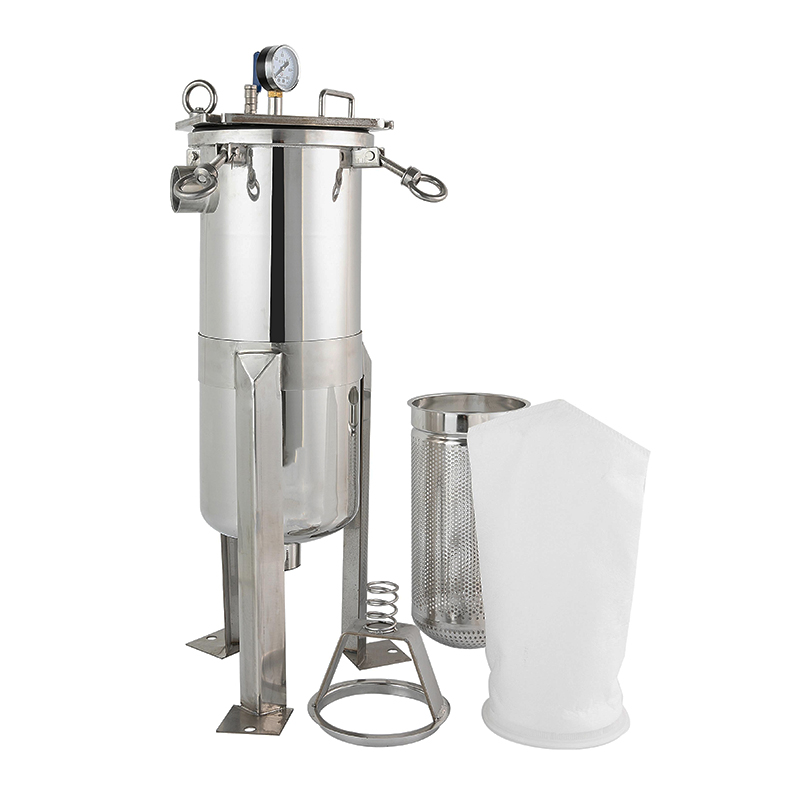
Bag filter-
Bag filter
The bag filter is a type of pressure filtration device, primarily composed of a filter housing, a housing cover, a stainless steel filter basket, and other components. Liquid enters the filter bag through the side inlet of the housing; after passing ...
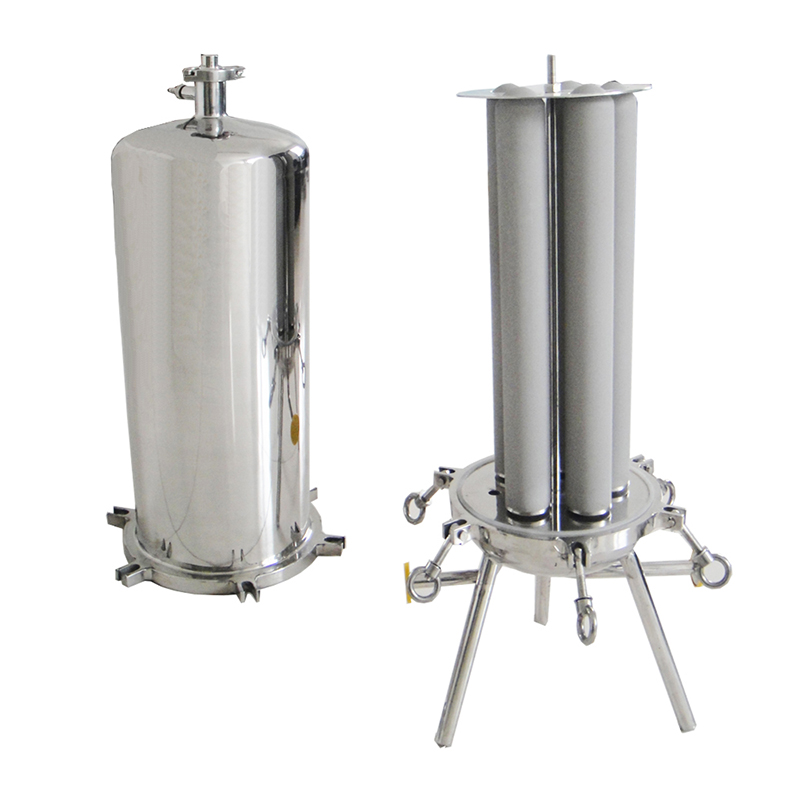
Titanium rod filters-
Titanium rod filters
Titanium rod filters utilize titanium rod filter elements. These elements are hollow tubular filters manufactured using powder metallurgy technology, wherein titanium metal powder is subjected to high-temperature sintering; they function as depth fil...
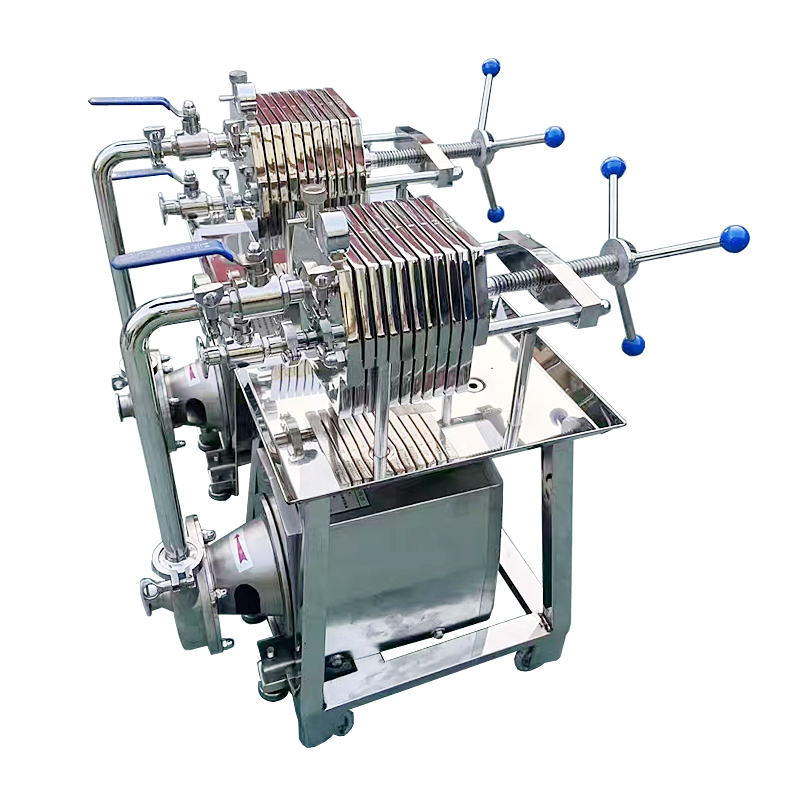
Plate-and-frame filter-
Plate-and-frame filter
The plate-and-frame filter is designed for the solid-liquid separation of various suspensions and boasts a wide range of applicability. It is utilized across numerous industries, including food processing, environmental protection, light industry, ph...
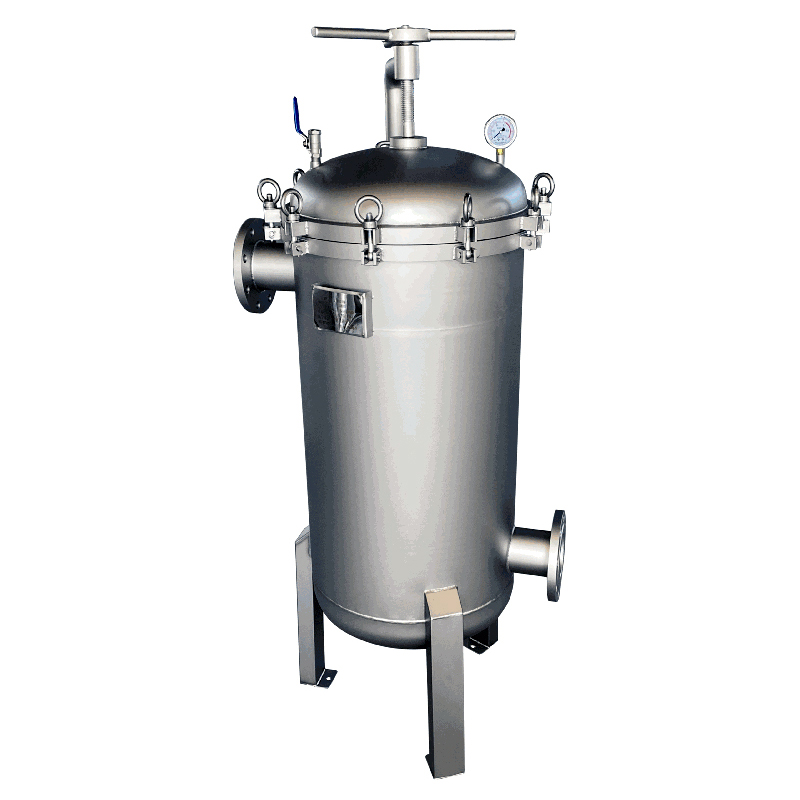
Bag filter-
Bag filter
The bag filter is a novel filtration device developed by our company. Internally, the filter features a metal mesh basket that supports the filter bag. Liquid enters through the inlet, passes through the filter bag for purification, and exits through...
Get Your Free Sample Now
Submit this form and our sales representative will contact you soon.

Copyright © 2026 Wenzhou Zhonghe Machinery Co., Ltd.