SEARCH WHAT YOU WANT

English

Titanium rod filters
Titanium rod filters utilize titanium rod filter elements. These elements are hollow tubular filters manufactured using powder metallurgy technology, wherein titanium metal powder is subjected to high-temperature sintering; they function as depth filters. The housing of the titanium rod filter is constructed from 304 or 316L stainless steel. The titanium filter elements offer numerous advantages, including high filtration precision, high mechanical strength, resistance to high temperatures and corrosion, zero particle shedding, non-adsorption of filtered substances, a long service life, ease of cleaning, and regenerability.
Titanium rod filters utilize titanium rod filter elements. These elements are hollow tubular filters manufactured using powder metallurgy technology, wherein titanium metal powder is subjected to high-temperature sintering; they function as depth filters. The housing of the titanium rod filter is constructed from 304 or 316L stainless steel. The titanium filter elements offer numerous advantages, including high filtration precision, high mechanical strength, resistance to high temperatures and corrosion, zero particle shedding, non-adsorption of filtered substances, a long service life, ease of cleaning, and regenerability.
Previous: Stainless steel microporous filter
Next: Plate-and-frame filter
Product Details
▎Introduction to Titanium Rod Filters
Titanium rod filters utilize titanium rod filter elements. These elements are hollow tubular filters manufactured using powder metallurgy technology, wherein titanium metal powder is subjected to high-temperature sintering; they function as depth filters. The housing of the titanium rod filter is constructed from 304 or 316L stainless steel. The titanium filter elements offer numerous advantages, including high filtration precision, high mechanical strength, resistance to high temperatures and corrosion, zero particle shedding, non-adsorption of filtered substances, a long service life, ease of cleaning, and regenerability.
Titanium rod filters are widely employed for liquid-solid separation across various industries, including food and beverage, pharmaceuticals, and chemicals. Within the pharmaceutical sector, they are particularly well-suited for decarbonization filtration in production lines for large-volume infusions and injectable preparations.
▎Key Technical Parameters of Titanium Rod Filters
1. Filtration Precision: 0.45 µm – 30 µm
2. Filtration Flow Rate: 1 T/h – 10 T/h
3. Operating Pressure: ≤ 0.3 MPa
4. Operating Temperature: ≤ 200°C
5. Filter Element Lengths (in inches): 10, 20, 30, 40
6. Filter Element Connection Types: 222, 226, Threaded
7. The new-generation titanium rod filter features a structural design that departs from the traditional "flip-over" style; this innovation eliminates the need to dismantle associated piping during installation and removal, making operation and cleaning significantly more convenient and efficient.
▎Cleaning of Titanium Rod Filters
After a period of use, titanium rod filter elements will inevitably experience a certain degree of clogging. This manifests as a decrease in flow rate and an increase in pressure upstream of the filter—for instance, rising from below 0.2 MPa to above 0.3 MPa. At this point, the filter element requires cleaning. The general cleaning methods are as follows:
1. For newly used filter elements, cleaning is typically performed via a combination of water backwashing and gas back-blowing. This involves injecting clean water in the reverse direction at a pressure slightly higher than the normal operating pressure (e.g., 0.3 MPa). A backwashing duration of approximately 1 to 3 minutes is sufficient.
2. If, after multiple backwashing cycles, the filtration efficiency does not show a significant recovery, the element may be soaked at room temperature in a solution of hydrochloric acid (≤ 5%), sulfuric acid (≤ 8%), or sodium hydroxide (NaOH, ≤ 10%), followed by a thorough rinse with clean water.
The specific choice between acid cleaning and alkaline cleaning should be determined based on whether the impurities present in the filtrate are more readily soluble in acids or bases.
▎Introduction to Titanium Rod Filters
Titanium rod filters utilize titanium rod filter elements. These elements are hollow tubular filters manufactured using powder metallurgy technology, wherein titanium metal powder is subjected to high-temperature sintering; they function as depth filters. The housing of the titanium rod filter is constructed from 304 or 316L stainless steel. The titanium filter elements offer numerous advantages, including high filtration precision, high mechanical strength, resistance to high temperatures and corrosion, zero particle shedding, non-adsorption of filtered substances, a long service life, ease of cleaning, and regenerability.
Titanium rod filters are widely employed for liquid-solid separation across various industries, including food and beverage, pharmaceuticals, and chemicals. Within the pharmaceutical sector, they are particularly well-suited for decarbonization filtration in production lines for large-volume infusions and injectable preparations.
▎Key Technical Parameters of Titanium Rod Filters
1. Filtration Precision: 0.45 µm – 30 µm
2. Filtration Flow Rate: 1 T/h – 10 T/h
3. Operating Pressure: ≤ 0.3 MPa
4. Operating Temperature: ≤ 200°C
5. Filter Element Lengths (in inches): 10, 20, 30, 40
6. Filter Element Connection Types: 222, 226, Threaded
7. The new-generation titanium rod filter features a structural design that departs from the traditional "flip-over" style; this innovation eliminates the need to dismantle associated piping during installation and removal, making operation and cleaning significantly more convenient and efficient.
▎Cleaning of Titanium Rod Filters
After a period of use, titanium rod filter elements will inevitably experience a certain degree of clogging. This manifests as a decrease in flow rate and an increase in pressure upstream of the filter—for instance, rising from below 0.2 MPa to above 0.3 MPa. At this point, the filter element requires cleaning. The general cleaning methods are as follows:
1. For newly used filter elements, cleaning is typically performed via a combination of water backwashing and gas back-blowing. This involves injecting clean water in the reverse direction at a pressure slightly higher than the normal operating pressure (e.g., 0.3 MPa). A backwashing duration of approximately 1 to 3 minutes is sufficient.
2. If, after multiple backwashing cycles, the filtration efficiency does not show a significant recovery, the element may be soaked at room temperature in a solution of hydrochloric acid (≤ 5%), sulfuric acid (≤ 8%), or sodium hydroxide (NaOH, ≤ 10%), followed by a thorough rinse with clean water.
The specific choice between acid cleaning and alkaline cleaning should be determined based on whether the impurities present in the filtrate are more readily soluble in acids or bases.
Previous: Stainless steel microporous filter
Next: Plate-and-frame filter
Related Products
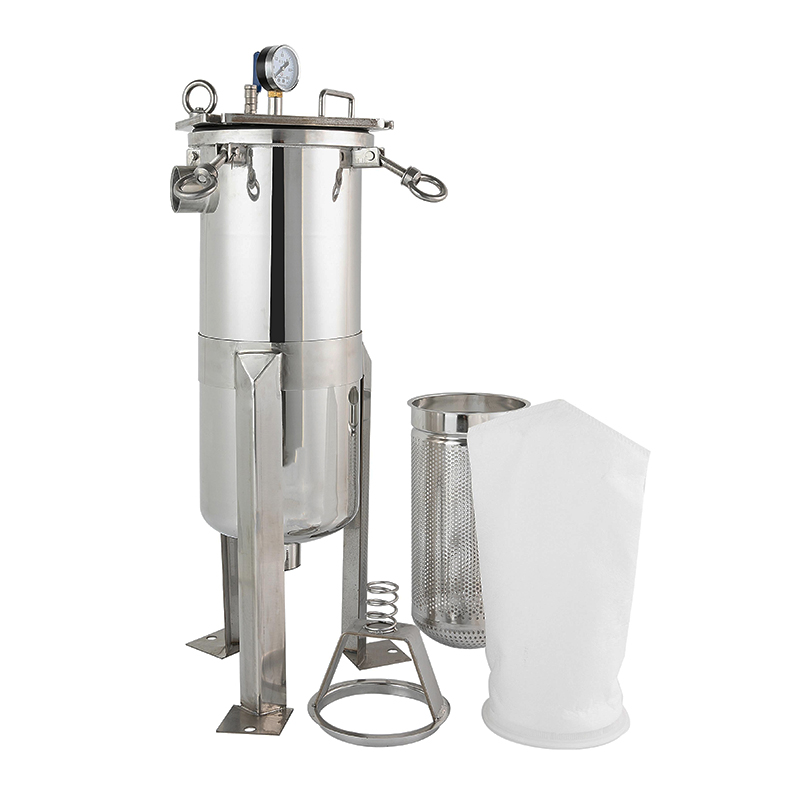
Bag filter-
Bag filter
The bag filter is a type of pressure filtration device, primarily composed of a filter housing, a housing cover, a stainless steel filter basket, and other components. Liquid enters the filter bag through the side inlet of the housing; after passing ...
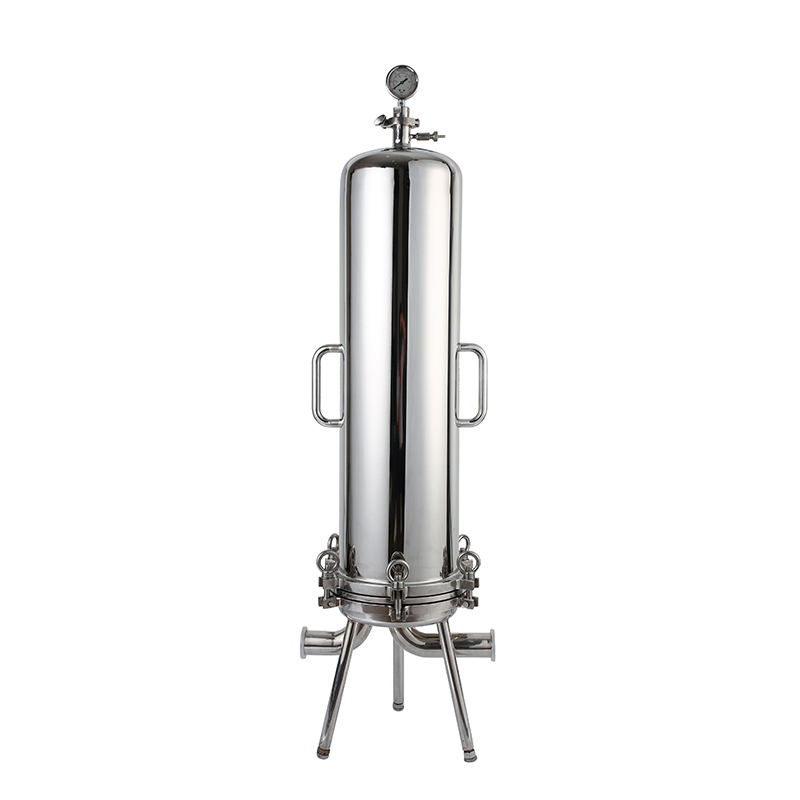
Stainless steel microporous filter-
Stainless steel microporous filter
The stainless steel microporous filter consists of pleated microporous membrane filter cartridges housed within a stainless steel outer vessel. It is designed to accommodate either a single cartridge or multiple cartridges. The filter housing utilize...
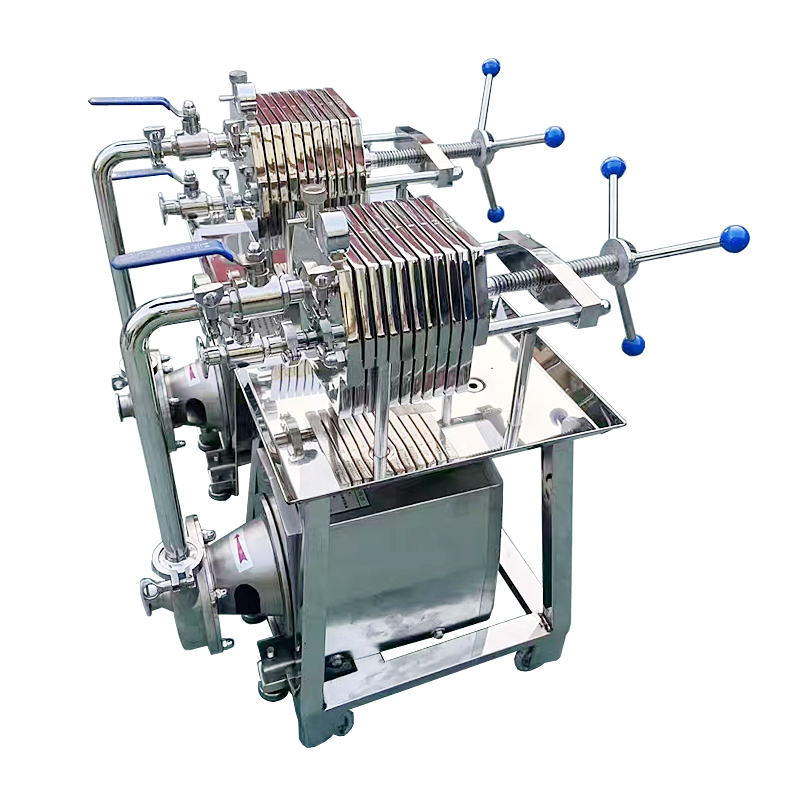
Plate-and-frame filter-
Plate-and-frame filter
The plate-and-frame filter is designed for the solid-liquid separation of various suspensions and boasts a wide range of applicability. It is utilized across numerous industries, including food processing, environmental protection, light industry, ph...
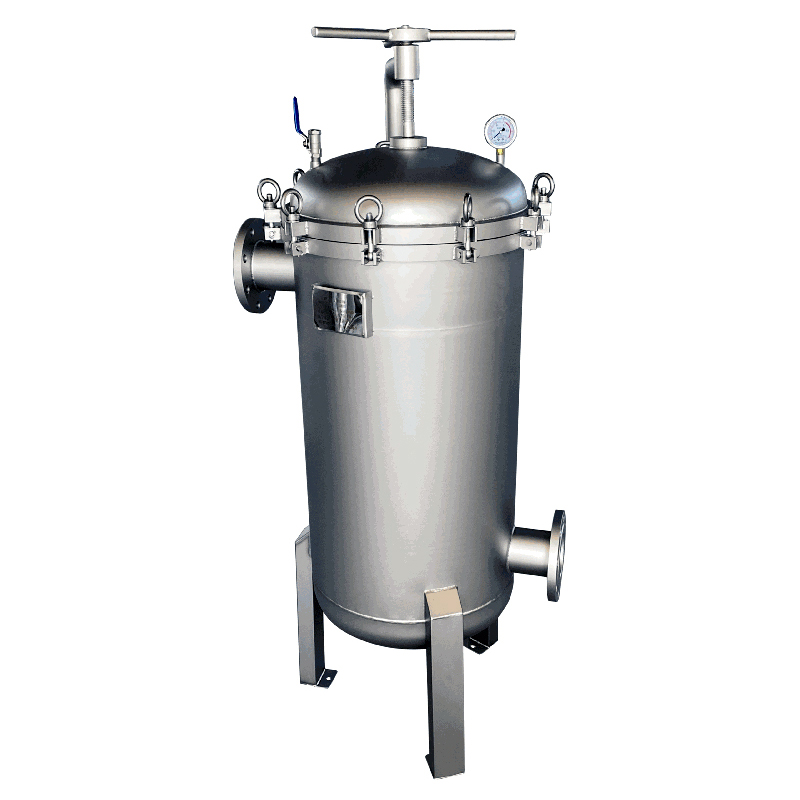
Bag filter-
Bag filter
The bag filter is a novel filtration device developed by our company. Internally, the filter features a metal mesh basket that supports the filter bag. Liquid enters through the inlet, passes through the filter bag for purification, and exits through...
Get Your Free Sample Now
Submit this form and our sales representative will contact you soon.

Copyright © 2026 Wenzhou Zhonghe Machinery Co., Ltd.