SEARCH WHAT YOU WANT

English

Tubular heat exchanger
The tubular heat exchanger is composed of concentric tubes of different sizes. The inner tube is connected by U-shaped elbows. In this heat exchanger, one fluid flows inside the tube, while the other fluid flows in the gap between the inner and outer tubes. The inner tube's wall serves as the heat transfer surface.
The tubular heat exchanger is composed of concentric tubes of different sizes. The inner tube is connected by U-shaped elbows. In this heat exchanger, one fluid flows inside the tube, while the other fluid flows in the gap between the inner and outer tubes. The inner tube's wall serves as the heat transfer surface.
Previous: Double-tube-sheet heat exchanger
Next: Tubular heat exchanger
Product Details
▎Product Overview
1. The tubular heat exchanger is composed of concentric tubes of different sizes. The inner tube is connected by U-shaped elbows. In this heat exchanger, one fluid flows inside the tube, while the other fluid flows in the gap between the inner and outer tubes. The inner tube's wall serves as the heat transfer surface.
2. The advantages of the tubular heat exchanger are its simple structure, ease of cleaning, and the ability to achieve a high heat transfer coefficient.
3. Tubular heat exchangers are mainly used in the dairy, beverage, and pharmaceutical industries for heating or cooling of materials. Due to their wide application, the improvement of the heat transfer efficiency of tubular heat exchangers can provide a more energy-efficient production method for our industrial production, increase productivity, and reduce energy consumption. In the industrial fields such as new energy, their productivity can play a crucial role.
4. Material: Stainless steel 304 or 316L.
5. Processing range: Flow rate 1T/h to 10T/h.
6. Surface treatment: Mirror polishing on both inner and outer surfaces.
▎Product Overview
1. The tubular heat exchanger is composed of concentric tubes of different sizes. The inner tube is connected by U-shaped elbows. In this heat exchanger, one fluid flows inside the tube, while the other fluid flows in the gap between the inner and outer tubes. The inner tube's wall serves as the heat transfer surface.
2. The advantages of the tubular heat exchanger are its simple structure, ease of cleaning, and the ability to achieve a high heat transfer coefficient.
3. Tubular heat exchangers are mainly used in the dairy, beverage, and pharmaceutical industries for heating or cooling of materials. Due to their wide application, the improvement of the heat transfer efficiency of tubular heat exchangers can provide a more energy-efficient production method for our industrial production, increase productivity, and reduce energy consumption. In the industrial fields such as new energy, their productivity can play a crucial role.
4. Material: Stainless steel 304 or 316L.
5. Processing range: Flow rate 1T/h to 10T/h.
6. Surface treatment: Mirror polishing on both inner and outer surfaces.
Previous: Double-tube-sheet heat exchanger
Next: Tubular heat exchanger
Related Products
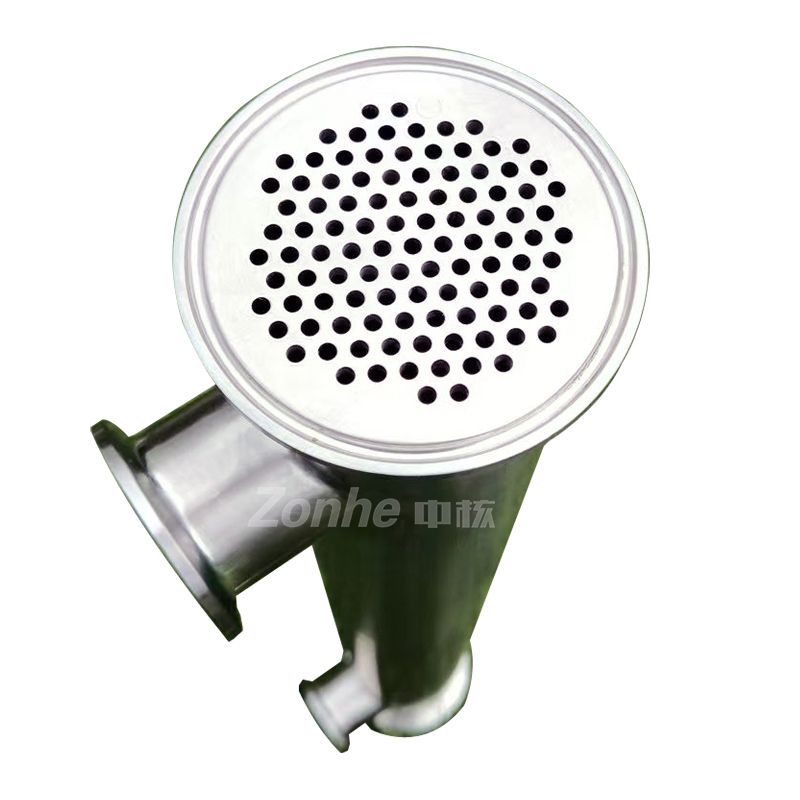
Double-tube-sheet heat exchanger-
Double-tube-sheet heat exchanger
The sanitary double-tube-sheet heat exchanger is designed for use in applications requiring the highest levels of sanitary compliance. Its unique design results in a simple, compact, and aesthetically pleasing structure, while simultaneously deliveri...
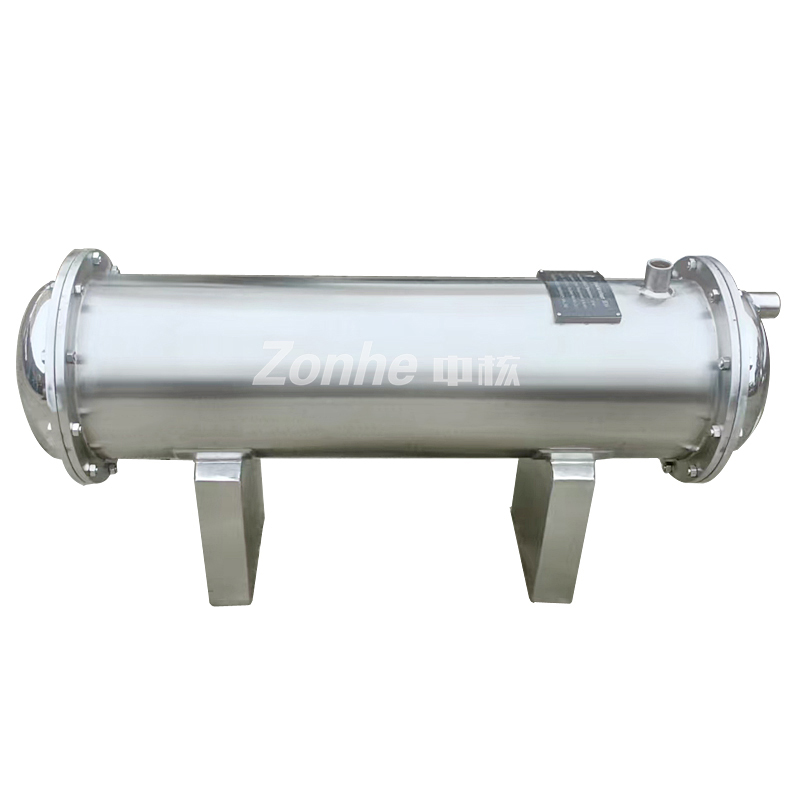
Tubular heat exchanger-
Tubular heat exchanger
The tubular heat exchanger—also known as the shell-and-tube heat exchanger—is a type of partition-wall heat exchanger that utilizes the surfaces of a tube bundle enclosed within a shell as its heat transfer medium. This type of heat exchanger feature...
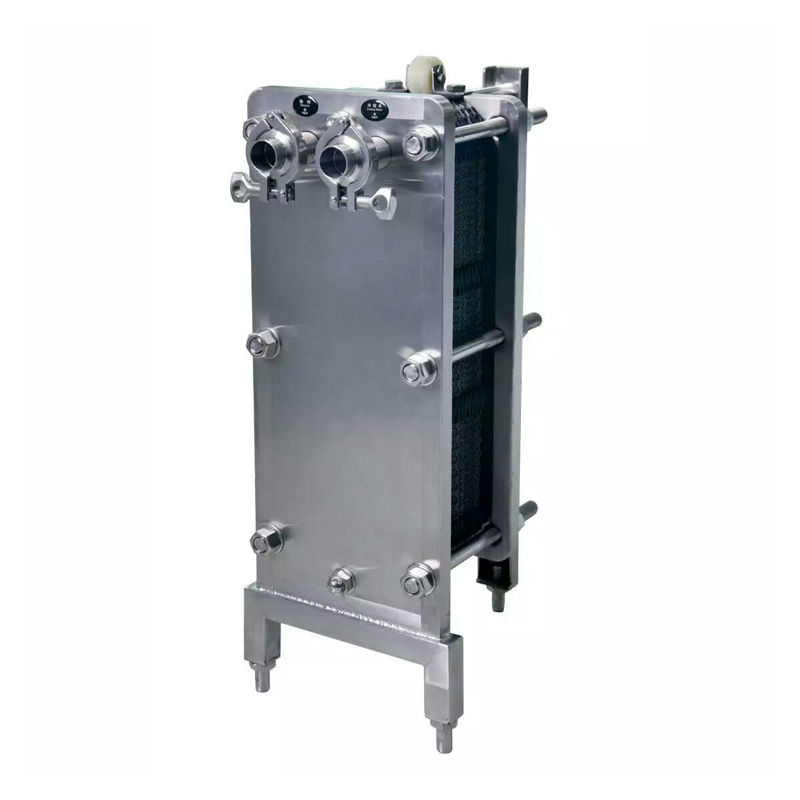
Plate heat exchangers-
Plate heat exchangers
A plate heat exchanger is a novel, high-efficiency heat exchanger composed of a stack of metal plates, each featuring a specific corrugated pattern. Thin, rectangular channels are formed between these plates, facilitating heat exchange across the pla...
Get Your Free Sample Now
Submit this form and our sales representative will contact you soon.

Copyright © 2026 Wenzhou Zhonghe Machinery Co., Ltd.