SEARCH WHAT YOU WANT

English

Bioreactor
Fermentation tanks are widely used in the fermentation of materials in industries such as biology, chemicals, traditional Chinese medicine, veterinary drugs, pesticides, and organic fertilizers.
Fermentation tanks are widely used in the fermentation of materials in industries such as biology, chemicals, traditional Chinese medicine, veterinary drugs, pesticides, and organic fertilizers.
Previous: Storage tank
Next: Mixing tank
Product Details
▎Equipment Applications
Fermentation tanks are widely used in the fermentation of materials in industries such as biology, chemicals, traditional Chinese medicine, veterinary drugs, pesticides, and organic fertilizers.
▎Main Technical Parameters
1. Nominal Volume: 50L~100T (customizable).
2. Loading Coefficient: ≥70%.
3. Tank Material: SUS304/316L stainless steel.
4. Surface Finish: Mirror polished inner surface, frosted outer surface.
5. Heating and Cooling Method: Combination of outer jacket/outer half-pipe and inner tube.
6. Tank Interfaces: pH, DO, temperature, inoculation, defoaming, acid replenishment, alkali replenishment, material replenishment, pressure, sight glass light, etc.
7. Structural Forms: Vertical legs, lug supports, skirt support type, meeting different working conditions.
8. Agitation System: Top mechanical agitator, sanitary mechanical seal.
9. Blade Types: Defoaming blade, flat blade, inclined blade, turbine type, etc.
▎Control System
1. The tank is equipped with a temperature-controlled jacket, PID digital control, in-situ sterilization, and temperature control accuracy of ±0.2℃.
2. Temperature control range: 0-150±0.2℃.
3. Sterilization temperature: 100-130℃.
4. Stirring speed: 50-200 rpm (speed determined according to tank size and material requirements).
5. pH control: 2-12±0.02, automatic adjustment by a peristaltic pump for acid and alkali addition, with signal transmission via an imported pH sensor.
6. DO control: 0-100%, DO is linked to the stirring speed control, with signal transmission via a Mettler DO sensor.
7. Foam control: Automatic control and alarm, online monitoring with stainless steel electrodes, automatic addition of defoamer by a peristaltic pump.
8. Air flow: Mass flow meter, automatic adjustment by a pneumatic valve. Inlet air filter, exhaust air filter.
9. Tank configuration: Flame inoculation port, sampling valve, and bottom valve for immediate sterilization.
10. System Control: Touch screen operation interface, Siemens PLC automation control program, realizes online operation of the whole equipment, automatic stirring, sterilization, dissolved oxygen, pH adjustment, temperature adjustment, automatic defoaming, etc.
▎Equipment Applications
Fermentation tanks are widely used in the fermentation of materials in industries such as biology, chemicals, traditional Chinese medicine, veterinary drugs, pesticides, and organic fertilizers.
▎Main Technical Parameters
1. Nominal Volume: 50L~100T (customizable).
2. Loading Coefficient: ≥70%.
3. Tank Material: SUS304/316L stainless steel.
4. Surface Finish: Mirror polished inner surface, frosted outer surface.
5. Heating and Cooling Method: Combination of outer jacket/outer half-pipe and inner tube.
6. Tank Interfaces: pH, DO, temperature, inoculation, defoaming, acid replenishment, alkali replenishment, material replenishment, pressure, sight glass light, etc.
7. Structural Forms: Vertical legs, lug supports, skirt support type, meeting different working conditions.
8. Agitation System: Top mechanical agitator, sanitary mechanical seal.
9. Blade Types: Defoaming blade, flat blade, inclined blade, turbine type, etc.
▎Control System
1. The tank is equipped with a temperature-controlled jacket, PID digital control, in-situ sterilization, and temperature control accuracy of ±0.2℃.
2. Temperature control range: 0-150±0.2℃.
3. Sterilization temperature: 100-130℃.
4. Stirring speed: 50-200 rpm (speed determined according to tank size and material requirements).
5. pH control: 2-12±0.02, automatic adjustment by a peristaltic pump for acid and alkali addition, with signal transmission via an imported pH sensor.
6. DO control: 0-100%, DO is linked to the stirring speed control, with signal transmission via a Mettler DO sensor.
7. Foam control: Automatic control and alarm, online monitoring with stainless steel electrodes, automatic addition of defoamer by a peristaltic pump.
8. Air flow: Mass flow meter, automatic adjustment by a pneumatic valve. Inlet air filter, exhaust air filter.
9. Tank configuration: Flame inoculation port, sampling valve, and bottom valve for immediate sterilization.
10. System Control: Touch screen operation interface, Siemens PLC automation control program, realizes online operation of the whole equipment, automatic stirring, sterilization, dissolved oxygen, pH adjustment, temperature adjustment, automatic defoaming, etc.
Previous: Storage tank
Next: Mixing tank
Related Products
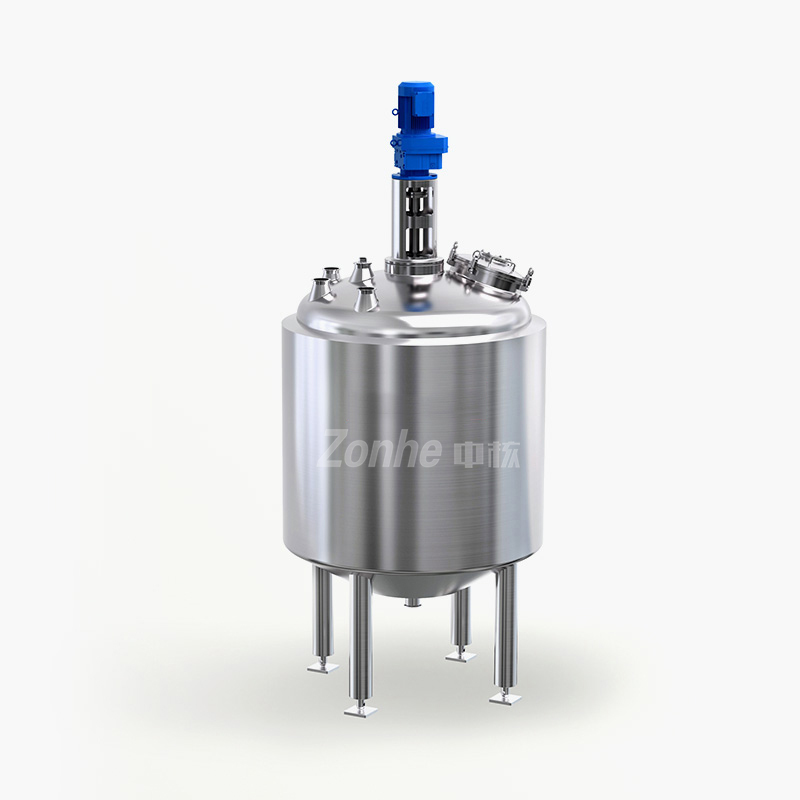
Crystallization tank-
Crystallization tank
The crystallization tank is a crystallization device where materials are mixed and reacted, and then rapidly cooled by circulating a refrigerant through the jacket. Its key aspects lie in the size of the jacket area, the structure of the agitator and...
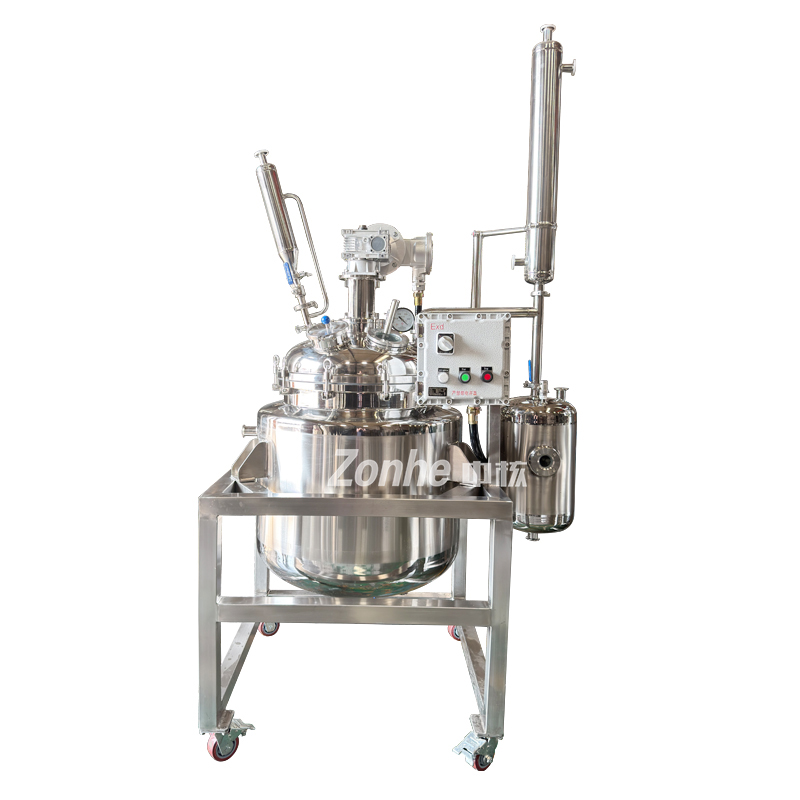
Reaction vessel-
Reaction vessel
A reaction vessel is a container used to complete chemical or physical reactions that occur during processes such as mixing, hydrolysis, neutralization, and polymerization of materials. The equipment is made of 304 or 316L stainless steel, and the vo...
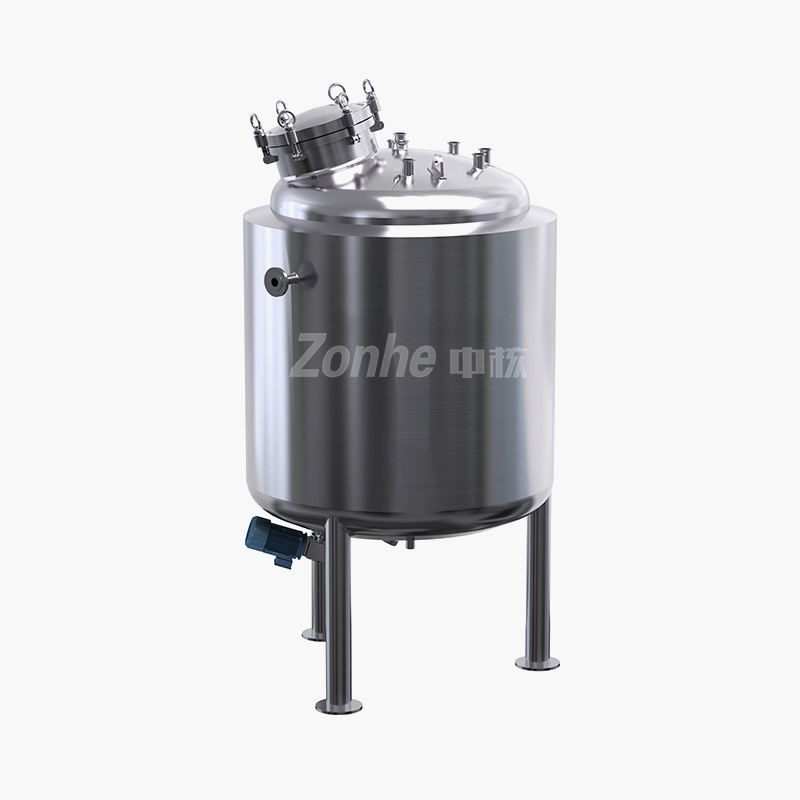
Magnetic stirred tanks-
Magnetic stirred tanks
Magnetic stirred tanks are currently the most ideal product for solving aseptic production processes in the pharmaceutical industry. Magnetic stirring uses a magnetic drive device, eliminating mechanical seals and ensuring a completely leak-free envi...
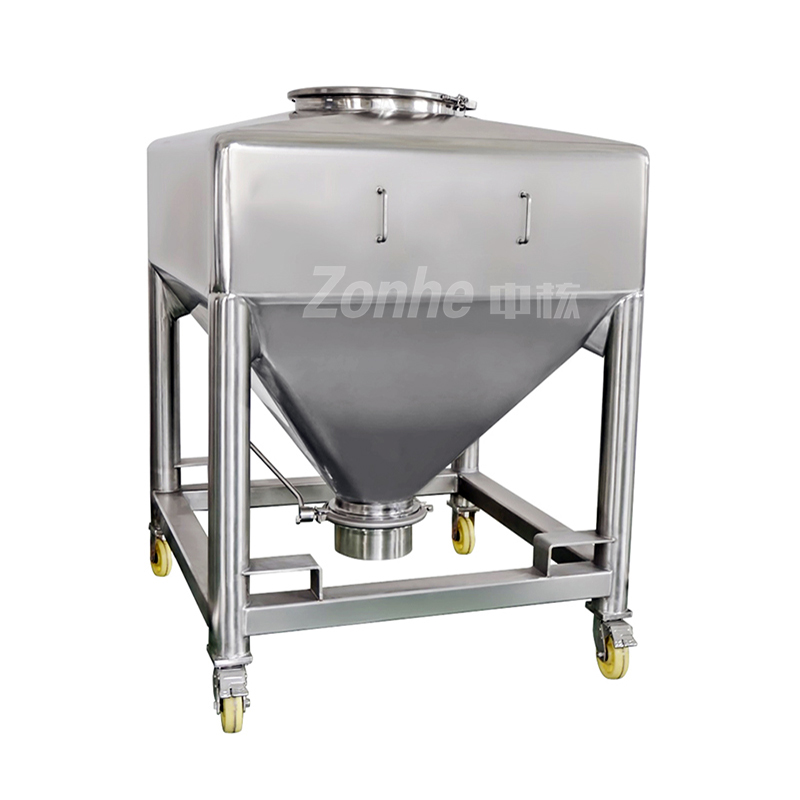
Mobile transfer silos-
Mobile transfer silos
Mobile transfer silos, also known as powder turnover buffer tanks, are used for the sealed storage and transfer of powders, effectively preventing dust dispersion and contamination, ensuring safe and moisture-free powder storage. Suitable for the pha...
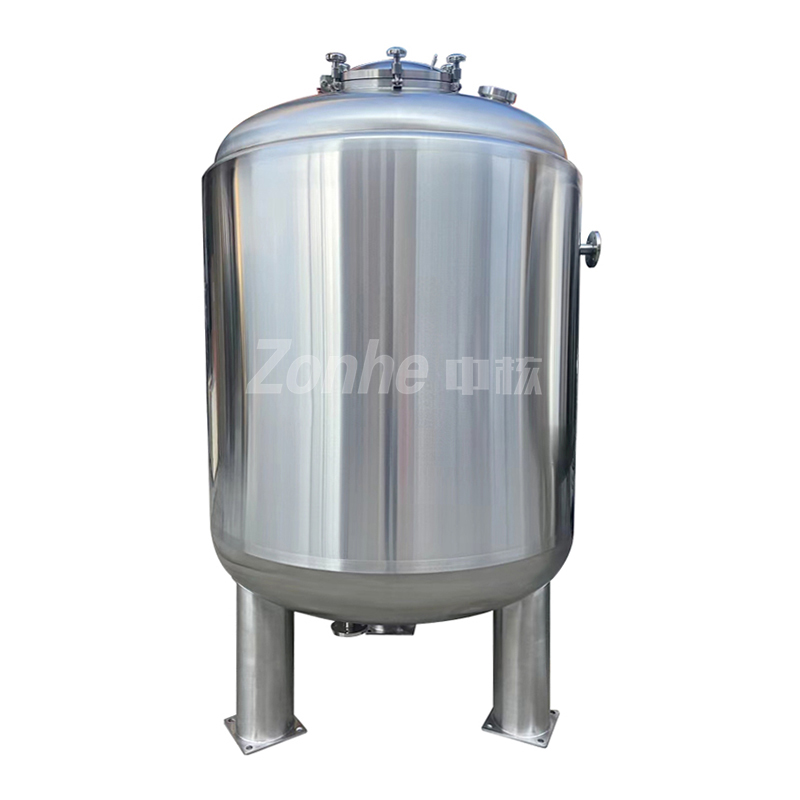
Storage tank-
Storage tank
Storage tanks are used for storing intermediate and final products in industries such as petrochemicals, biopharmaceuticals, and dairy products.
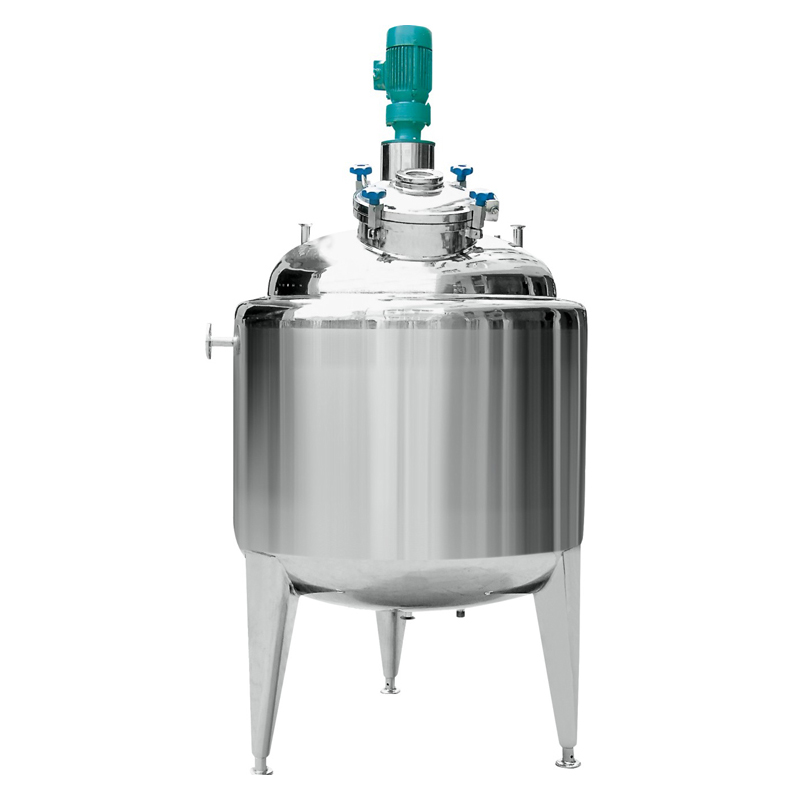
Mixing tank-
Mixing tank
This series of containers is suitable for the preparation of concentrated and diluted solutions in the pharmaceutical industry. The tank body is jacketed, allowing for heating and cooling. The inner surface is electrolytically mirror polished, and th...
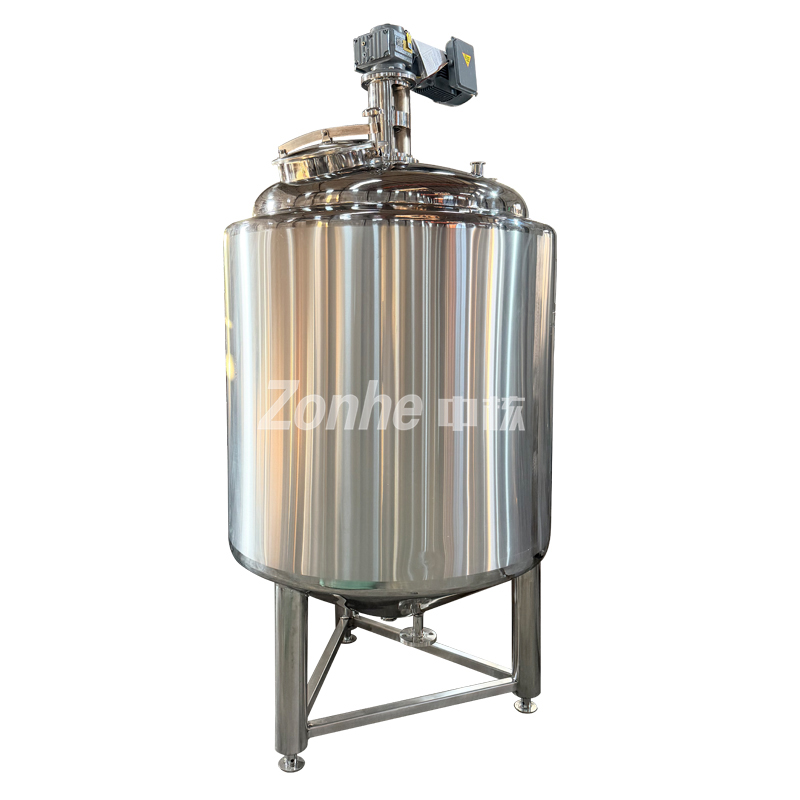
Mixing tank-
Mixing tank
This series of containers is suitable for ingredient preparation in the food and pharmaceutical industries. The tank body is jacketed for heating and cooling, and the inner surface is electrolytically mirror polished, conforming to GMP standards.
Crystallization tank-
Crystallization tank
The crystallization tank is a crystallization device where materials are mixed and reacted, and then rapidly cooled by circulating a refrigerant through the jacket. Its key aspects lie in the size of the jacket area, the structure of the agitator and...
Reaction vessel-
Reaction vessel
A reaction vessel is a container used to complete chemical or physical reactions that occur during processes such as mixing, hydrolysis, neutralization, and polymerization of materials. The equipment is made of 304 or 316L stainless steel, and the vo...
Magnetic stirred tanks-
Magnetic stirred tanks
Magnetic stirred tanks are currently the most ideal product for solving aseptic production processes in the pharmaceutical industry. Magnetic stirring uses a magnetic drive device, eliminating mechanical seals and ensuring a completely leak-free envi...
Mobile transfer silos-
Mobile transfer silos
Mobile transfer silos, also known as powder turnover buffer tanks, are used for the sealed storage and transfer of powders, effectively preventing dust dispersion and contamination, ensuring safe and moisture-free powder storage. Suitable for the pha...
Storage tank-
Storage tank
Storage tanks are used for storing intermediate and final products in industries such as petrochemicals, biopharmaceuticals, and dairy products.
Mixing tank-
Mixing tank
This series of containers is suitable for the preparation of concentrated and diluted solutions in the pharmaceutical industry. The tank body is jacketed, allowing for heating and cooling. The inner surface is electrolytically mirror polished, and th...
Mixing tank-
Mixing tank
This series of containers is suitable for ingredient preparation in the food and pharmaceutical industries. The tank body is jacketed for heating and cooling, and the inner surface is electrolytically mirror polished, conforming to GMP standards.
Crystallization tank-
Crystallization tank
The crystallization tank is a crystallization device where materials are mixed and reacted, and then rapidly cooled by circulating a refrigerant through the jacket. Its key aspects lie in the size of the jacket area, the structure of the agitator and...
Get Your Free Sample Now
Submit this form and our sales representative will contact you soon.

Copyright © 2026 Wenzhou Zhonghe Machinery Co., Ltd.