SEARCH WHAT YOU WANT

English

Beer fermentation tank
Miller plate jacket, dual-stage cooling jacket, covering the conical bottom and straight wall sections; 60-degree lower conical bottom facilitates yeast settling.
Miller plate jacket, dual-stage cooling jacket, covering the conical bottom and straight wall sections; 60-degree lower conical bottom facilitates yeast settling.
Previous: Fruit wine fermentation tank
Next: No more data
Product Details
▎Equipment Introduction
1. Product Specifications: 100L~5000L
2. Cooling Method: Cooling via chilled water or ethylene glycol through a Miller plate jacket
3. Surface Treatment: Mirror-polished inner surface, frosted outer surface
4. Material: SUS304 or 316L stainless steel
5. Technical Features: Miller plate jacket, dual-stage cooling jacket, covering the conical bottom and straight wall sections; 60-degree lower conical bottom facilitates yeast settling.
▎Size and Quantity
1. Daily Output = Fermentation Tank Volume × Number of Fermentation Tanks ÷ Beer Fermentation Time
2. The ratio of mashing equipment to fermentation tank volume can be 1:1 or 1:2.
3. The fermentation tank volume is proportional to the mashing volume. Simply put, within 24 hours, the mashed wort is filled into fermentation tanks for fermentation.
4. The fermentation cycle for ale and wheat beer is 1-2 weeks, and for barley and lager beer, it is 2-4 weeks. The average fermentation cycle is calculated as 12 days. The estimated daily output is approximately 250L. That is: Daily Output (250L) = Fermentation Tank Volume (500L) × Number of Fermentation Tanks (6) ÷ Beer Fermentation Time (12 days)
▎Equipment Introduction
1. Product Specifications: 100L~5000L
2. Cooling Method: Cooling via chilled water or ethylene glycol through a Miller plate jacket
3. Surface Treatment: Mirror-polished inner surface, frosted outer surface
4. Material: SUS304 or 316L stainless steel
5. Technical Features: Miller plate jacket, dual-stage cooling jacket, covering the conical bottom and straight wall sections; 60-degree lower conical bottom facilitates yeast settling.
▎Size and Quantity
1. Daily Output = Fermentation Tank Volume × Number of Fermentation Tanks ÷ Beer Fermentation Time
2. The ratio of mashing equipment to fermentation tank volume can be 1:1 or 1:2.
3. The fermentation tank volume is proportional to the mashing volume. Simply put, within 24 hours, the mashed wort is filled into fermentation tanks for fermentation.
4. The fermentation cycle for ale and wheat beer is 1-2 weeks, and for barley and lager beer, it is 2-4 weeks. The average fermentation cycle is calculated as 12 days. The estimated daily output is approximately 250L. That is: Daily Output (250L) = Fermentation Tank Volume (500L) × Number of Fermentation Tanks (6) ÷ Beer Fermentation Time (12 days)
Previous: Fruit wine fermentation tank
Next: No more data
Related Products
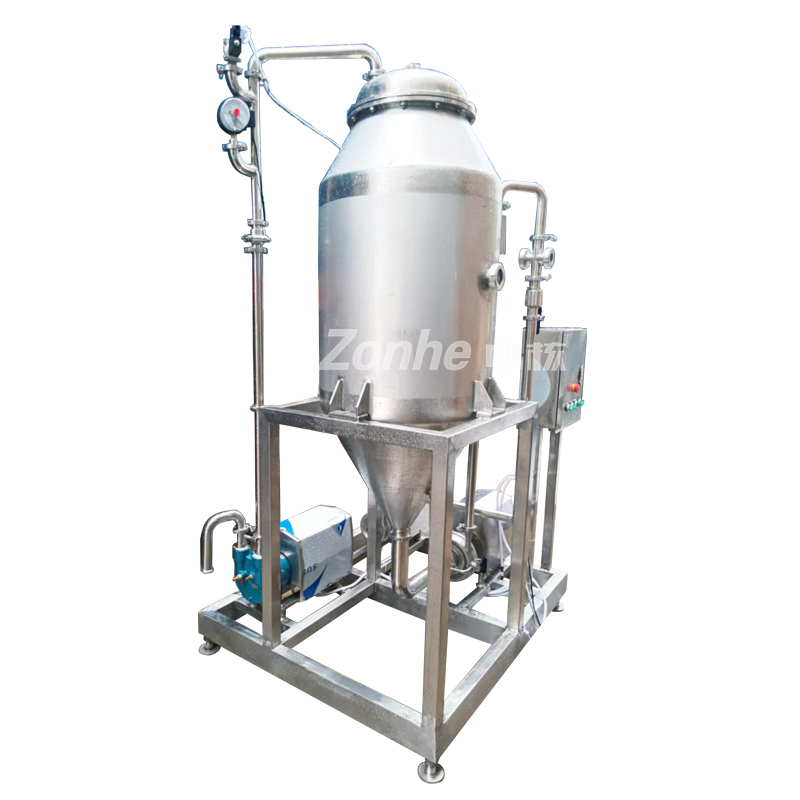
Vacuum degassing machines-
Vacuum degassing machines
Many products in modern industry require vacuum degassing during the production process, such as toothpaste, soap, soy milk, canned goods, and fruit juice beverages. Vacuum degassing removes dissolved gases (such as O2 and CO2) to ensure product quality.
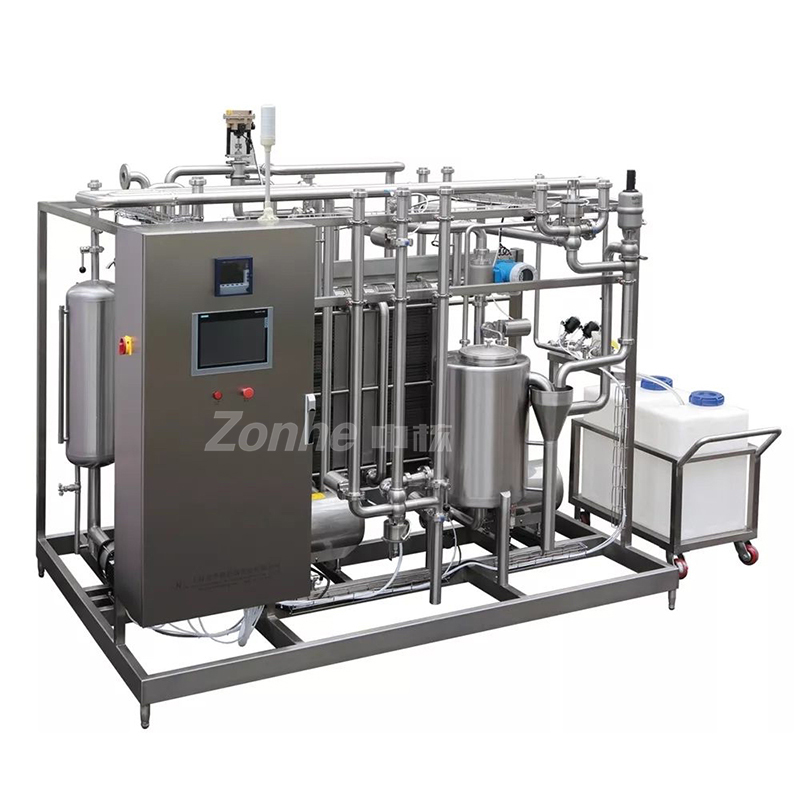
Plate type pasteurizer-
Plate type pasteurizer
This equipment is suitable for heating, sterilization, heat preservation, and cooling processes of milk, fruit juice, dairy beverages, tea beverages, health drinks, and other products. This unit is typically used for pasteurization. It is an ideal de...
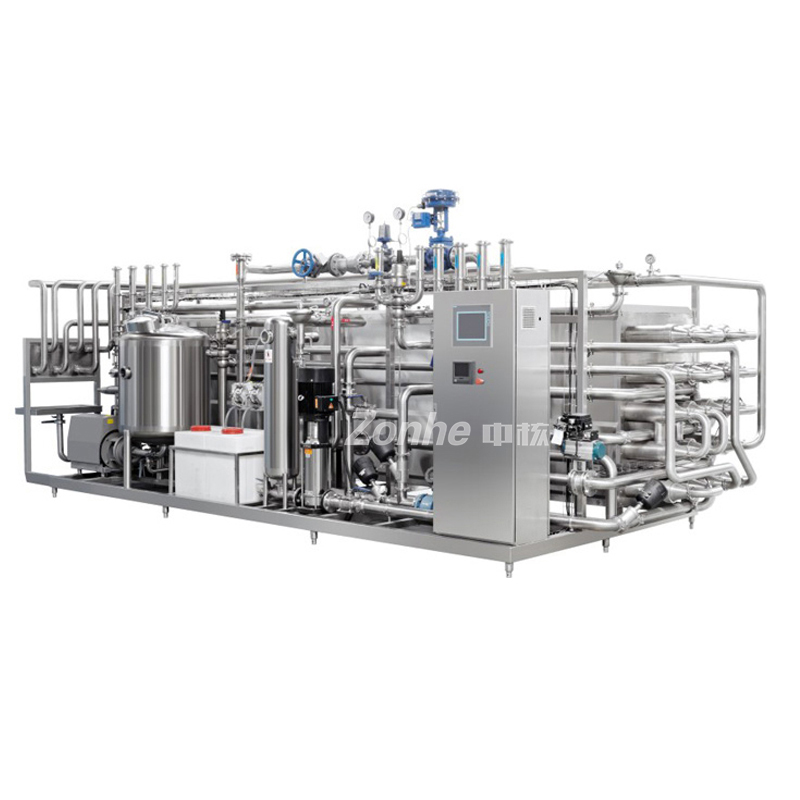
Tubular type pasteurizer-
Tubular type pasteurizer
Suitable for continuous sterilization of fruit juices, tea beverages, dairy beverages, or similar products. It is an ideal device for extending the shelf life of materials through sterilization and cooling. The process can be customized to meet diffe...
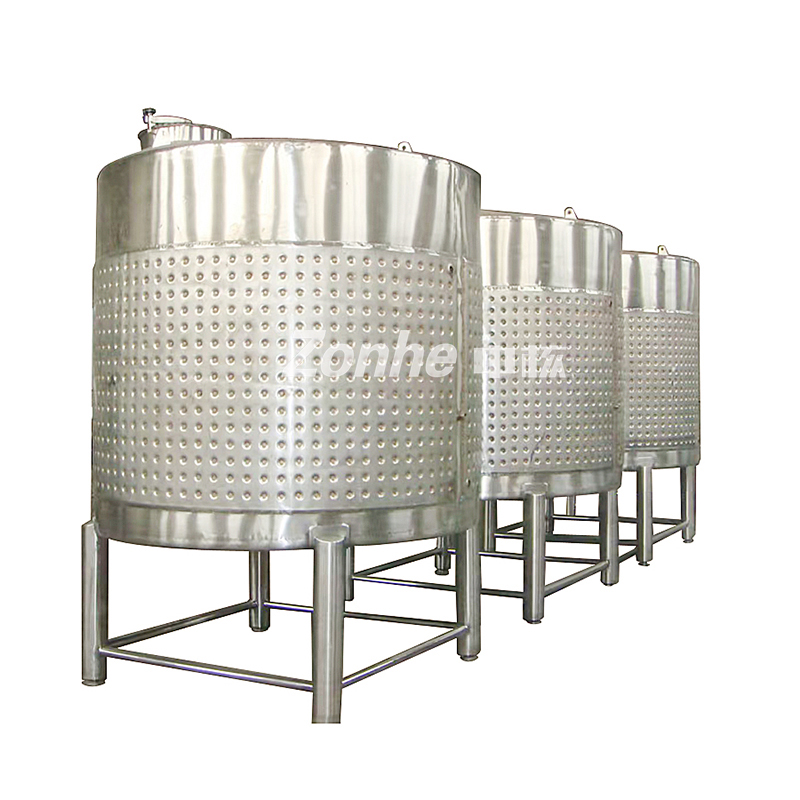
Fruit wine fermentation tank-
Fruit wine fermentation tank
Adopts a vertical straight cylinder design with leg support, a conical top end, and a sloping bottom. The tank interior is mirror polished, and the exterior surface is frosted, eliminating dead corners and meeting GMP requirements.
Refrigeration tank-
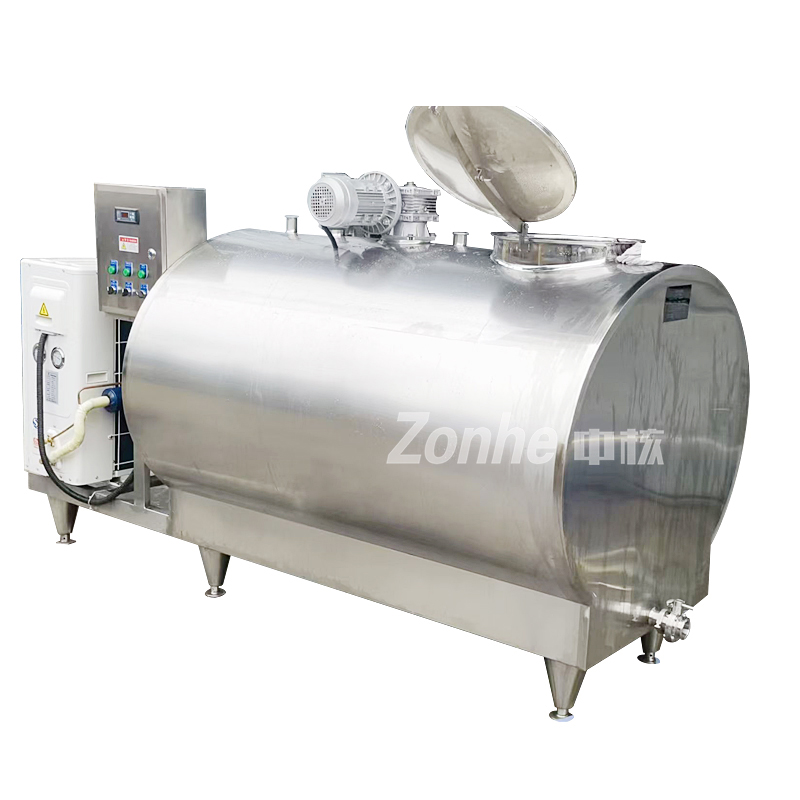
Refrigeration tank
This product utilizes advanced technology and is primarily used for cooling, storing, and preserving raw milk. It can also be used for cooling and storing liquid materials in other industries. Through a fully automatic control system, it allows for o...
Hot and cold cylinders-
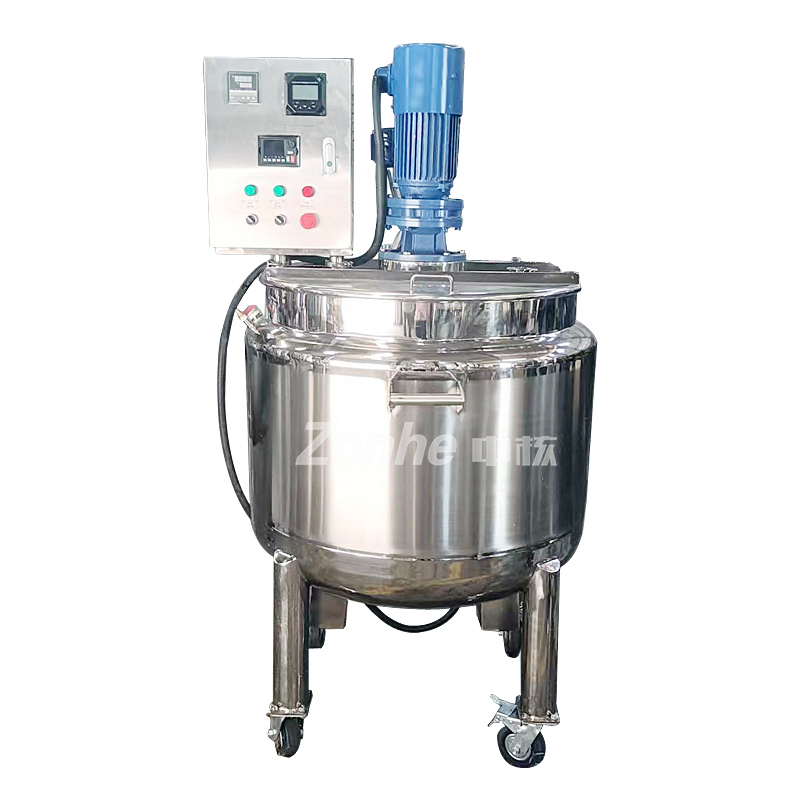
Hot and cold cylinders
Can be used as a mixing tank, sterilization tank, blending tank, fermentation tank, aging tank, etc. Applicable to food, dairy, fruit juice beverage, pharmaceutical, and bioengineering industries.
Emulsifying tank-
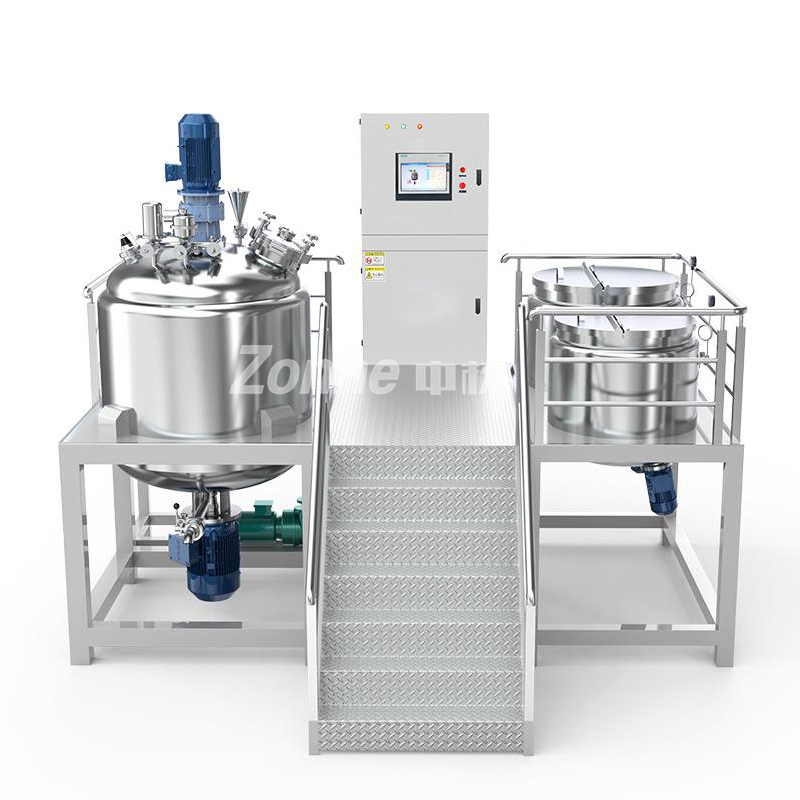
Emulsifying tank
This equipment features a compact structure, small size, easy operation, and stable running. Its most significant feature is its ability to grind materials during production, integrating high-speed shearing, mixing, dispersion, and homogenization. It...
Stainless steel mixing tanks-
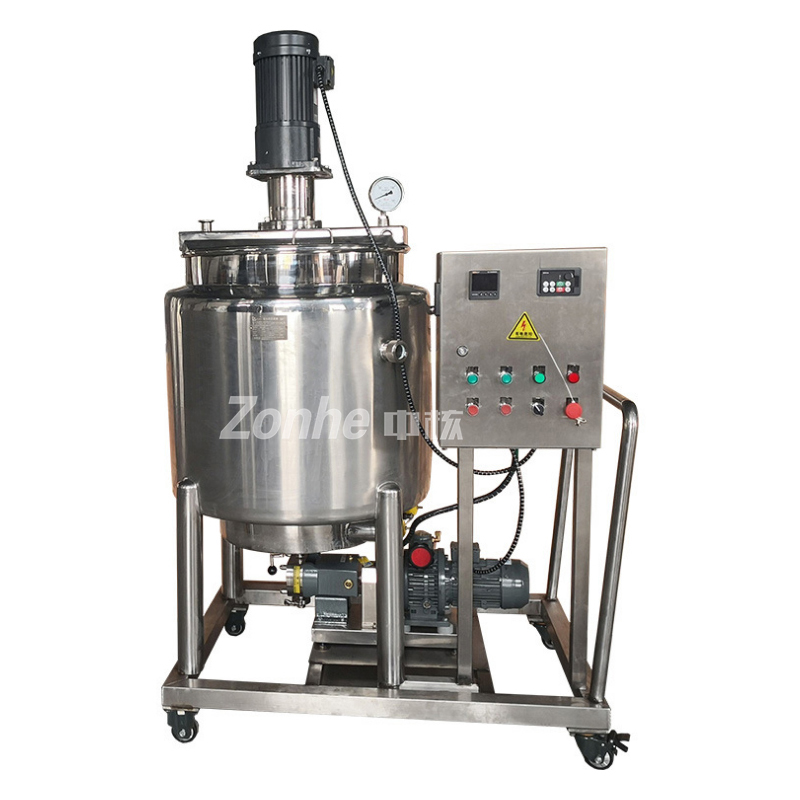
Stainless steel mixing tanks
Stainless steel mixing tanks are representative of general-purpose containers, playing a role in material preparation and reaction in production. They are typically arranged in multiple parallel units, can be used individually, and can be designed as...
Jacketed kettles-
Jacketed kettles
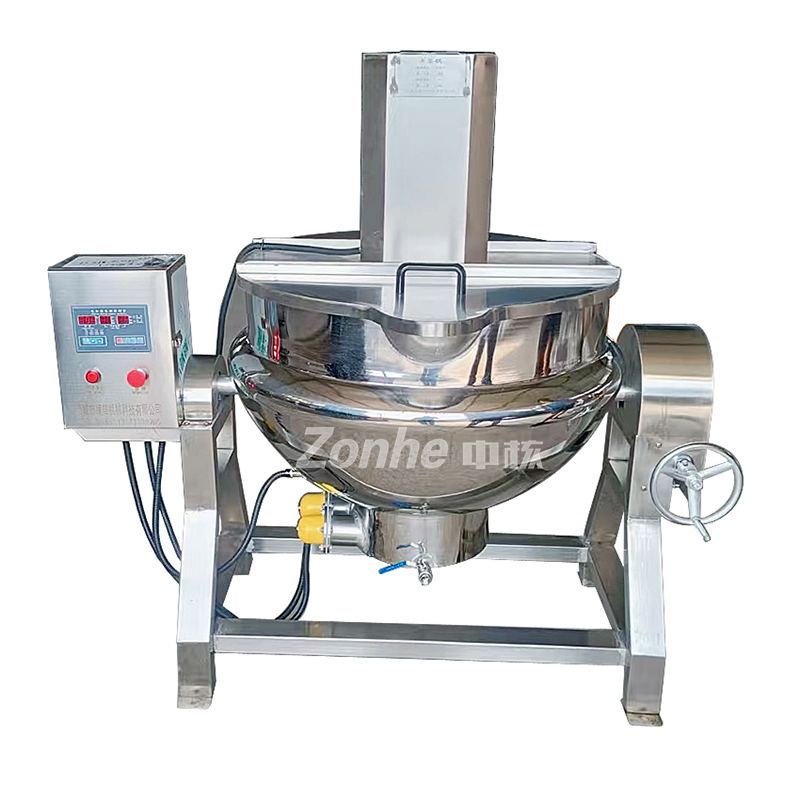
Equipment Introduction A jacketed kettle, also known as a cooking kettle, consists of a kettle body and supporting legs. The kettle body is a double-layered structure composed of inner and outer spherical kettle bodies, with steam heating the middle ...
Vacuum degassing machines-
Vacuum degassing machines
Many products in modern industry require vacuum degassing during the production process, such as toothpaste, soap, soy milk, canned goods, and fruit juice beverages. Vacuum degassing removes dissolved gases (such as O2 and CO2) to ensure product quality.
Plate type pasteurizer-
Plate type pasteurizer
This equipment is suitable for heating, sterilization, heat preservation, and cooling processes of milk, fruit juice, dairy beverages, tea beverages, health drinks, and other products. This unit is typically used for pasteurization. It is an ideal de...
Tubular type pasteurizer-
Tubular type pasteurizer
Suitable for continuous sterilization of fruit juices, tea beverages, dairy beverages, or similar products. It is an ideal device for extending the shelf life of materials through sterilization and cooling. The process can be customized to meet diffe...
Fruit wine fermentation tank-
Fruit wine fermentation tank
Adopts a vertical straight cylinder design with leg support, a conical top end, and a sloping bottom. The tank interior is mirror polished, and the exterior surface is frosted, eliminating dead corners and meeting GMP requirements.
Refrigeration tank-
Refrigeration tank
This product utilizes advanced technology and is primarily used for cooling, storing, and preserving raw milk. It can also be used for cooling and storing liquid materials in other industries. Through a fully automatic control system, it allows for o...
Hot and cold cylinders-
Hot and cold cylinders
Can be used as a mixing tank, sterilization tank, blending tank, fermentation tank, aging tank, etc. Applicable to food, dairy, fruit juice beverage, pharmaceutical, and bioengineering industries.
Emulsifying tank-
Emulsifying tank
This equipment features a compact structure, small size, easy operation, and stable running. Its most significant feature is its ability to grind materials during production, integrating high-speed shearing, mixing, dispersion, and homogenization. It...
Stainless steel mixing tanks-
Stainless steel mixing tanks
Stainless steel mixing tanks are representative of general-purpose containers, playing a role in material preparation and reaction in production. They are typically arranged in multiple parallel units, can be used individually, and can be designed as...
Get Your Free Sample Now
Submit this form and our sales representative will contact you soon.

Copyright © 2026 Wenzhou Zhonghe Machinery Co., Ltd.